
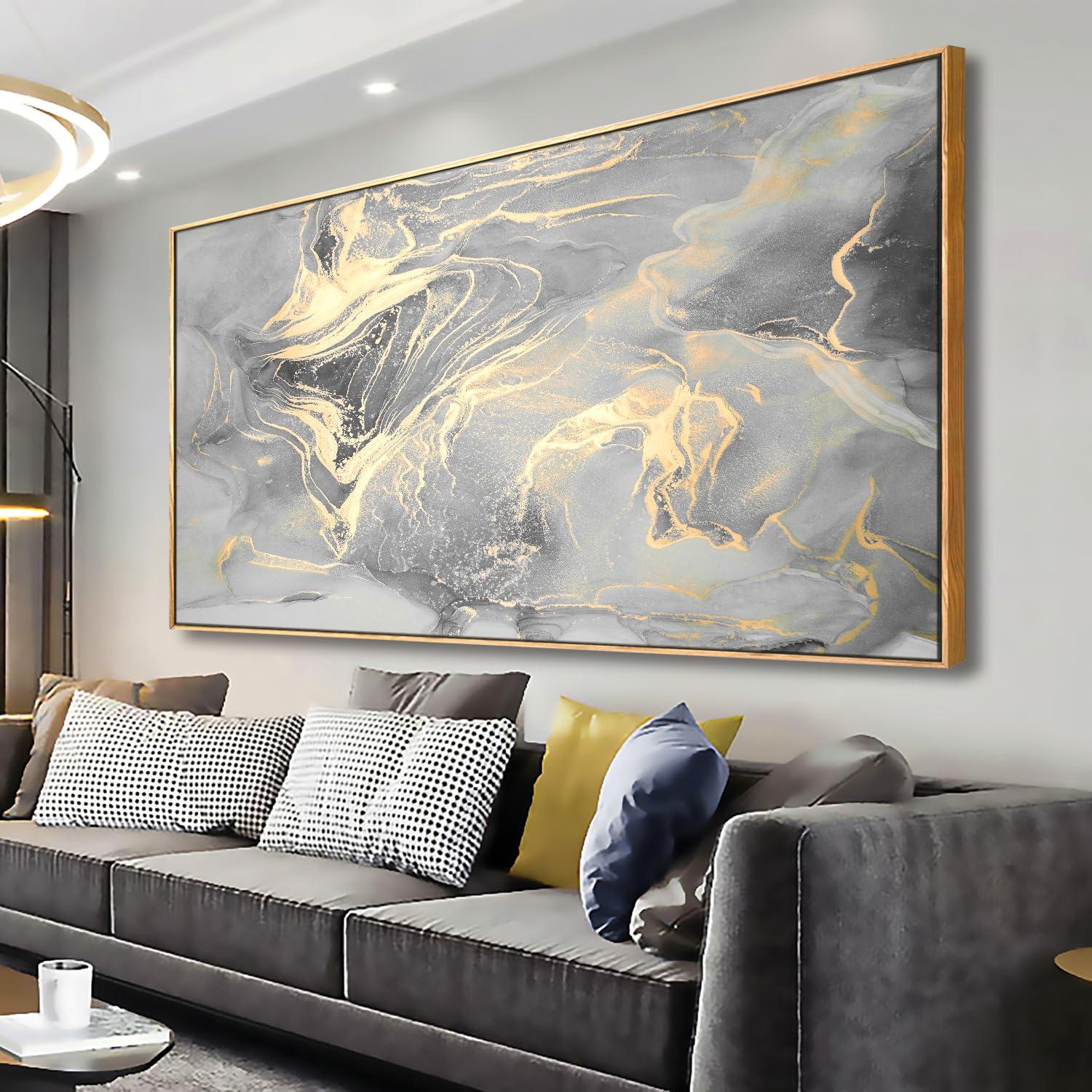
Exploring how color, scale, and subject influence emotion and energy at home
Art does more than decorate a space — it quietly directs how a room feels. From the calm you sense when you enter a bedroom to the energy that fills a living area, art plays a powerful role in shaping mood. By understanding how color, scale, and subject work together, you can choose pieces that support the atmosphere you want to live in every day.
4
Color: Setting the Emotional Tone
Color is often the first thing we register in a space, and it has a direct emotional impact.
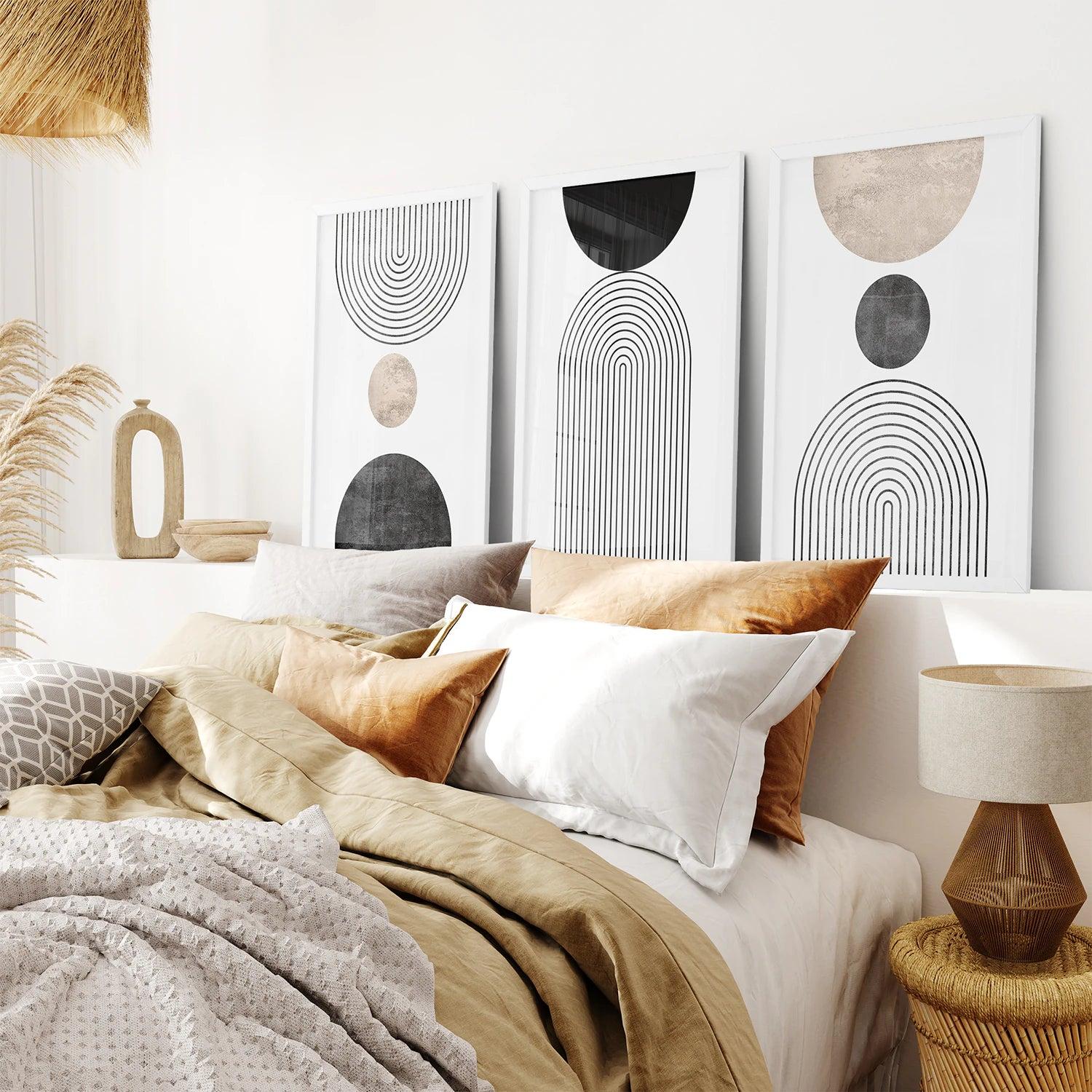
- Soft neutrals and muted tones create a sense of calm and balance, making them ideal for bedrooms, reading corners, or meditation spaces.
- Warm hues like terracotta, rust, and ochre add comfort and warmth, helping a room feel inviting and grounded.
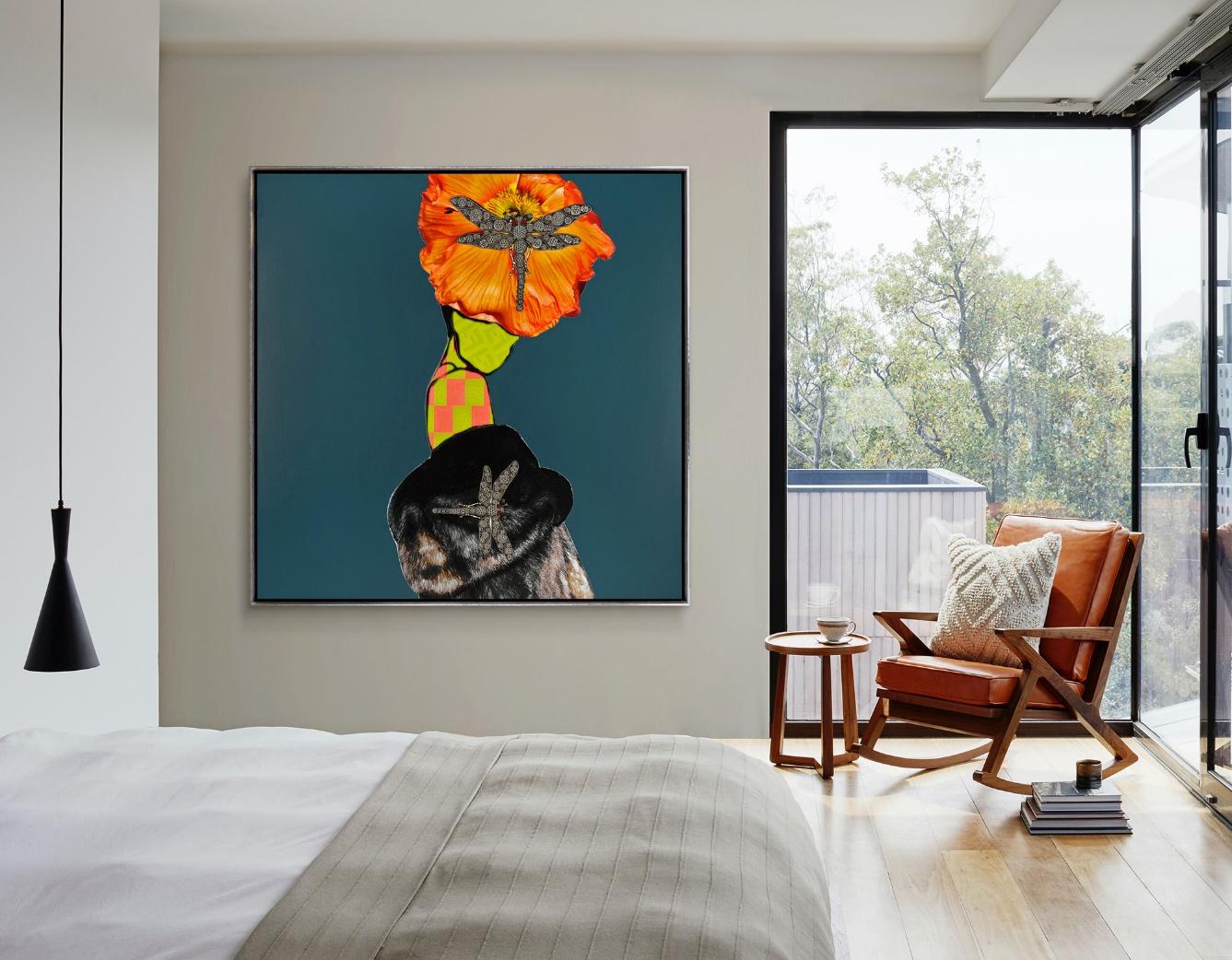
- Bold or saturated colors introduce energy and movement, perfect for living rooms, dining areas, or creative spaces where conversation and activity thrive.
Art can either echo your existing color palette for harmony or intentionally contrast it to create a focal point. Both approaches influence mood — the key is choosing with intention.
Scale: Controlling Energy and Presence
The size of an artwork affects how a room feels just as much as its colors.
- Large-scale pieces command attention and anchor a space, often creating confidence and drama. They work especially well on expansive walls or in rooms that need a strong visual center.
- Smaller works, when used thoughtfully, bring intimacy and detail. Grouped together, they can create rhythm and visual flow without overwhelming the room.
When scale is balanced with furniture and wall space, the room feels composed. When it’s off, the space can feel either restless or underwhelming.
Subject: Shaping the Room’s Personality
What the artwork depicts subtly guides how we emotionally experience a space.
- Abstract art allows interpretation and imagination, making it ideal for modern or contemplative interiors.
- Nature-inspired pieces introduce calm and connection, often softening urban or structured spaces.
- Figurative or narrative art adds depth and emotion, encouraging reflection and storytelling.
The subject doesn’t need to be literal or obvious — what matters is how it makes you feel when you encounter it daily.
Bringing It All Together
When color, scale, and subject align, art becomes more than décor — it becomes atmosphere. A serene palette paired with gentle imagery can turn a room into a retreat, while bold color and expressive forms can energize and inspire.
The most successful spaces are those where art feels intentional and personal. When you choose pieces that resonate emotionally, your home naturally reflects the mood you want to live in — calm, creative, bold, or somewhere beautifully in between.
Art doesn’t just live on your walls. It lives in how your space makes you feel.